
Call us now :08071780826
 Send Inquiry
 Send Inquiry
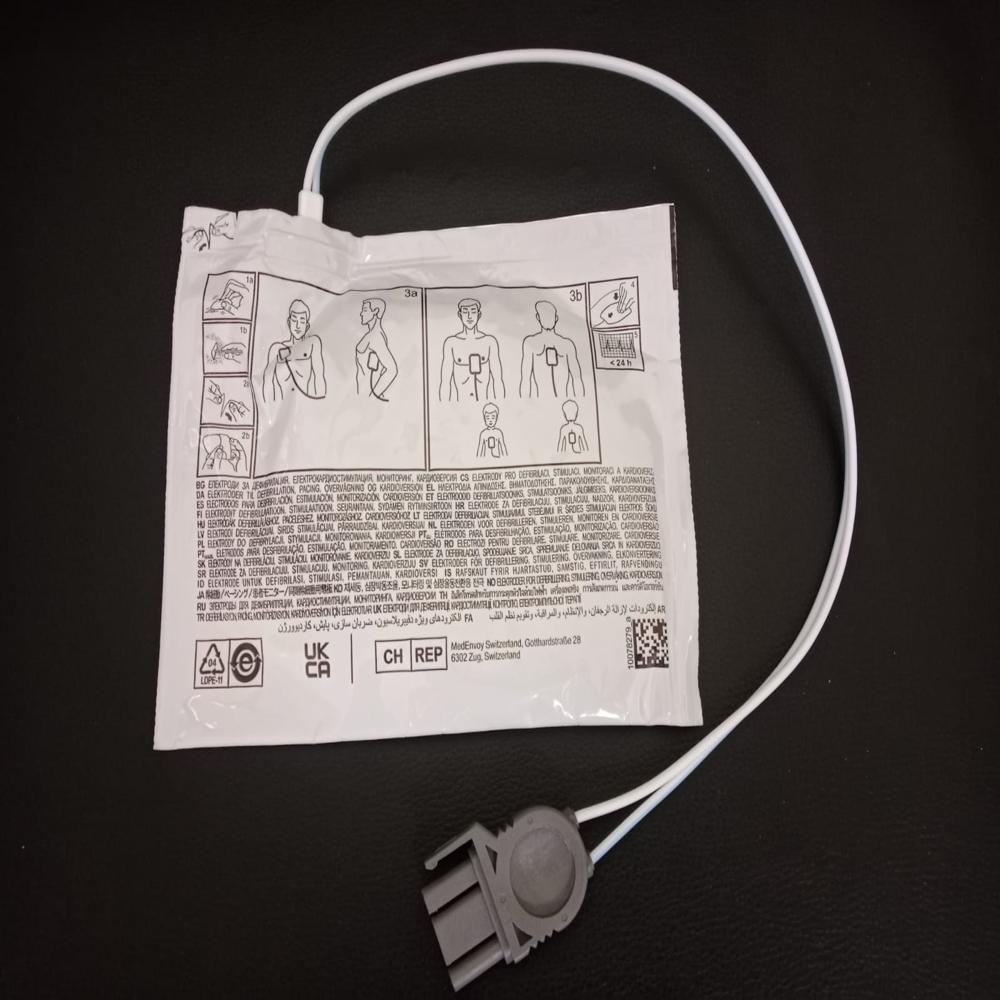
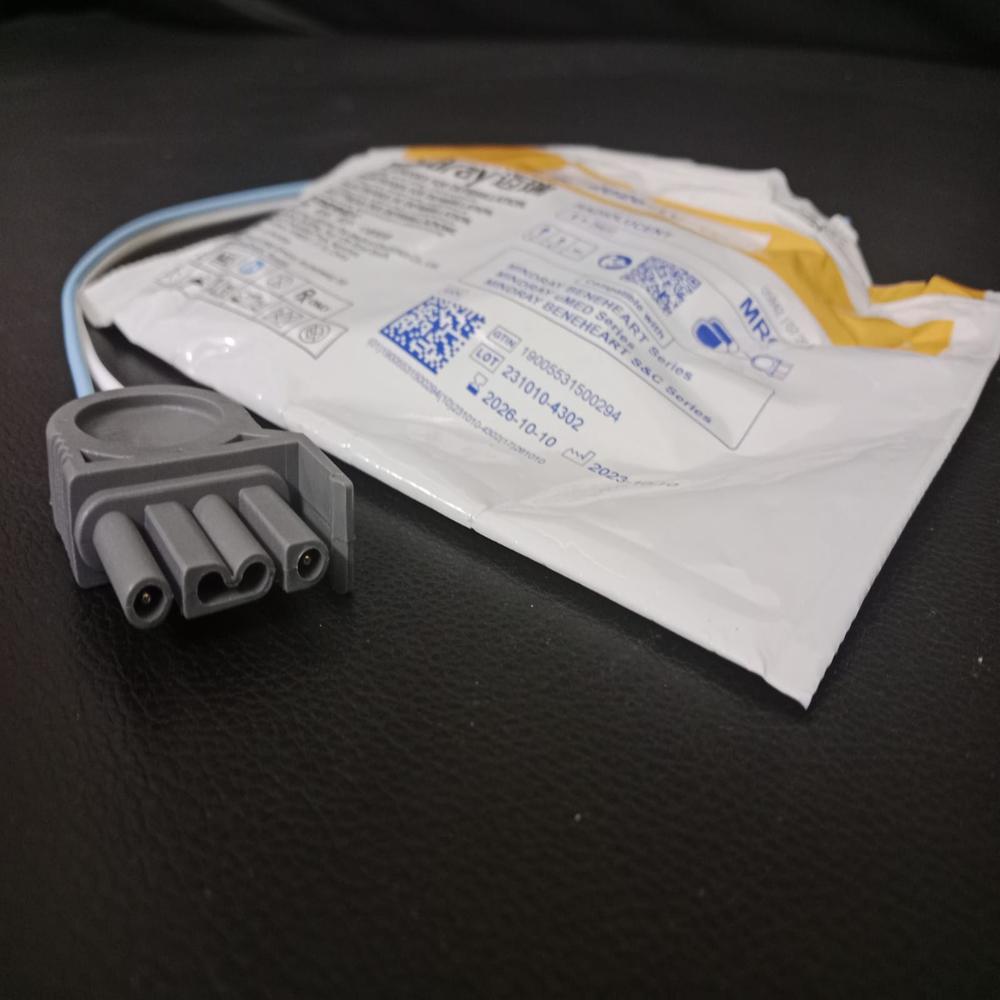
Mindray Disposable AED Defibrillator Electrode Pads ADULT CHILD MINDRAY DEFIBRILLATION ELECTRODES
Price 9500.0 INR/ Piece
MOQ : 1 Piece
Mindray Disposable AED Defibrillator Electrode Pads ADULT CHILD MINDRAY DEFIBRILLATION ELECTRODES Specification
- Application
- Cardiology
- Operation Mode
- Manual
- Equipment Type
- Other
- Material
- Plastic
- Sterilized
- Yes
- Sterilization Mode
- ETO
- Disposable
- Yes
- Recyclable
- Yes
- Use Type
- Single Use
- Color
- White
Mindray Disposable AED Defibrillator Electrode Pads ADULT CHILD MINDRAY DEFIBRILLATION ELECTRODES Trade Information
- Minimum Order Quantity
- 1 Piece
- Delivery Time
- 3 Days
Mindray Disposable AED Defibrillator Electrode Pads ADULT CHILD MINDRAY DEFIBRILLATION ELECTRODES About
Mindray MR62 Electrode Pads
Ensure you have a spare set of Mindray MR62 Electrode pads for your Mindray defibrillator in the event that you need them in a cardiac arrest emergency. The adult electrodes for the Mindray BeneHeart C Series AED can also be used for children through the child button on the AED. These defibrillation electrodes can be used pre-connected. This means that they can be pre-connected to the AED. This saves valuable time during any deployment. The electrodes are very easy to change by plugging the already connected connector into the AED device. The electrodes can be stored in the lid of the AED, in a designated compartment.
Key Features:
- Approximately 4 year life (from date of manufacture)
- Adult/paediatric pads, with auto-identification the defibrillator has a paediatric switch so no need to swap pads, saving essential time in an emergency. By switching to child mode on the AED, the energy will be reduced immediately
- Can be preconnected and stored with the defibrillator ahead of time
Includes:
- 1 x Mindray MR62 Electrode Pads
Versatile Application for Cardiology
Mindray defibrillation electrodes are compatible for both adult and child patients, supporting a wide range of cardiology emergencies. Their single-use design minimizes infection risk and ensures reliable, hygienic usage every time. Ideally suited for hospitals, clinics, ambulances, and other healthcare facilities, these pads are essential for effective and prompt patient care.
Sterilized and Safe for Immediate Use
Each electrode pad is individually ETO-sterilized and ready for use straight out of the package. This ensures strict adherence to safety standards and provides healthcare professionals with confidence during critical situations. The simple, manual operation further enhances quick deployment during sudden cardiac arrests.
Eco-Conscious Disposable Design
Despite being single-use for optimal safety, Mindray AED pads are also recyclable, promoting responsible disposal practices. The plastic material is chosen for both reliability and ease of recycling, reflecting a commitment to medical safety and environmental responsibility.
FAQ's of Mindray Disposable AED Defibrillator Electrode Pads ADULT CHILD MINDRAY DEFIBRILLATION ELECTRODES:
Q: How should Mindray Disposable AED Defibrillator Electrode Pads be applied in emergency situations?
A: To use Mindray AED electrode pads, remove the pads from their sterile packaging, place them as indicated on the patient (adult or child), and follow standard defibrillation protocols. Ensure the patient's skin is dry and free from excess hair for optimal adhesion.Q: What distinguishes these electrode pads as suitable for both adults and children?
A: These electrode pads are specifically designed with compatibility for both adult and pediatric patients. Their size and conductivity support effective defibrillation across age groups, making them practical for versatile medical scenarios.Q: When should these electrode pads be replaced?
A: Mindray AED electrode pads are single-use and must be disposed of after each application. Always replace them with new, sterile pads for every patient or emergency intervention to maintain hygiene and efficacy.Q: Where can these electrode pads be purchased in India?
A: You can order Mindray disposable AED pads in India through authorized dealers, distributors, wholesalers, retailers, and directly from manufacturers, as well as via suppliers and exporters throughout the country.Q: What is the sterilization process for these electrode pads?
A: The pads are sterilized using Ethylene Oxide (ETO), ensuring that they are free from any contaminants prior to use. This guarantees a higher standard of patient safety during critical cardiac care.Q: How does the recyclable aspect of these pads benefit healthcare facilities?
A: The recyclable design enables responsible disposal and minimization of medical waste, aligning healthcare facilities with environmental sustainability goals while maintaining necessary clinical safety.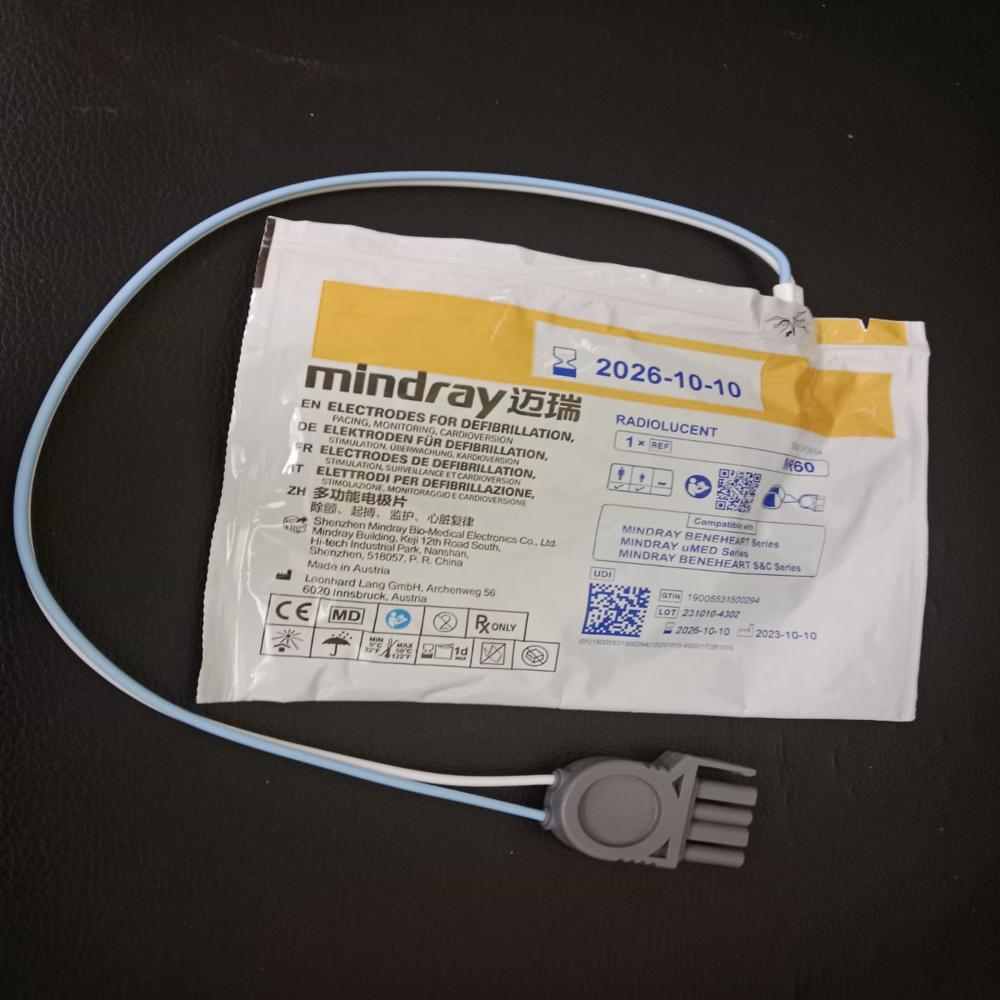
Tell us about your requirement

Price:
Quantity
Select Unit
- 50
- 100
- 200
- 250
- 500
- 1000+
Additional detail
Mobile number
Email

More Products in Cardiology Equipment Category
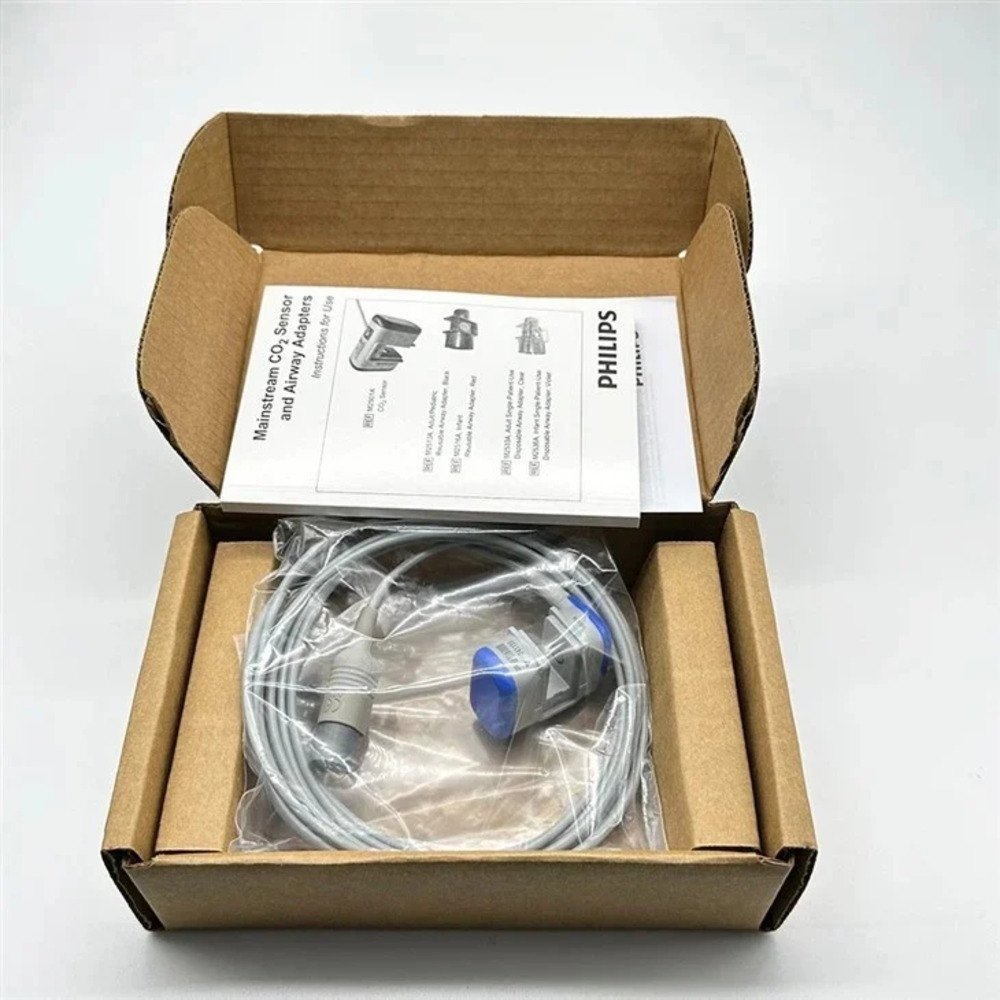
Philips Etco2 Probe Philips Mainstream Philips Etco2 Sensor Sidestream Etco2 Sensor Capnography
Price 95000.0 INR / Piece
Minimum Order Quantity : 1 Piece
Disposable : No
Use Type : Multiple Use
Equipment Type : Surgical Equipment
Sterilized : Yes
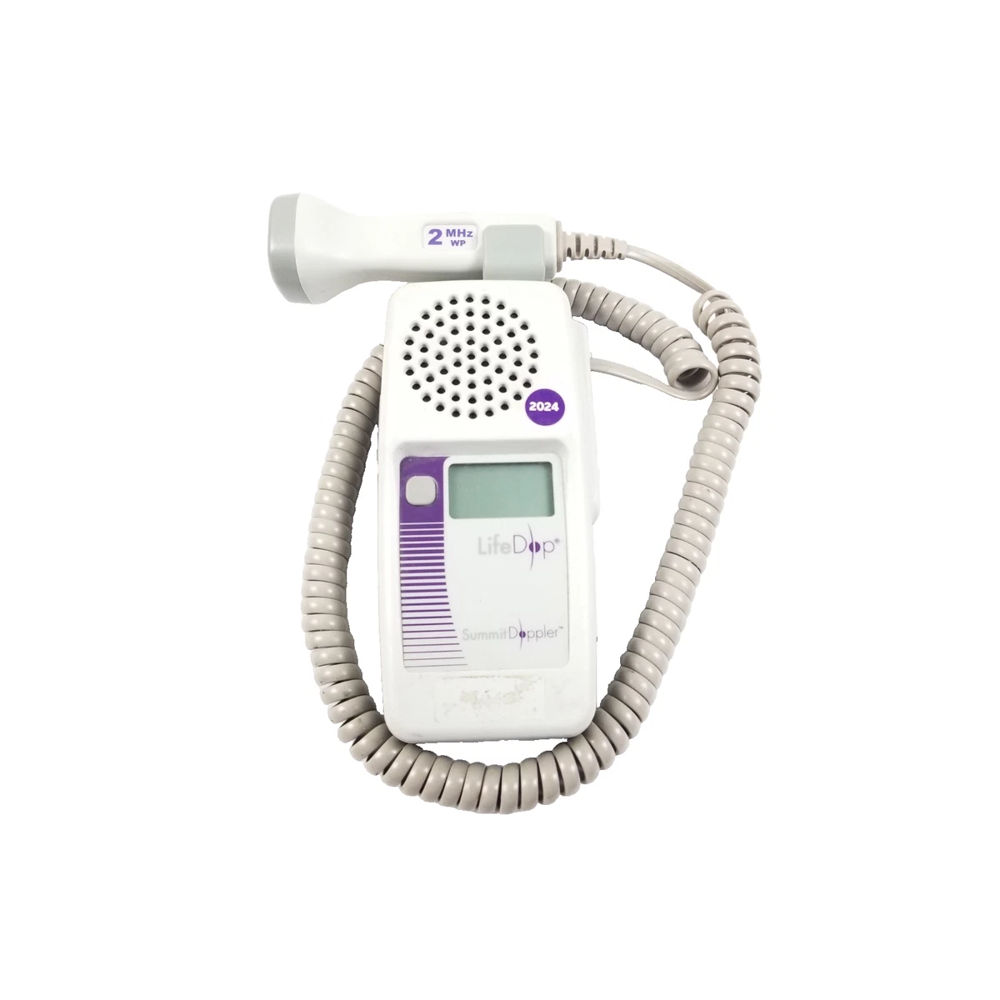
SUMMIT LifeDop 250 Fetal Doppler Vascular Dopper
Price 85000.0 INR / Piece
Minimum Order Quantity : 1 Piece
Disposable : No
Use Type : Multiple Use
Equipment Type : Gynecology Instrument
Sterilized : Yes
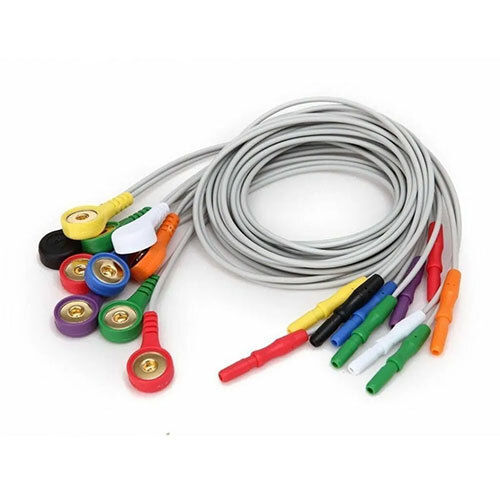
Adult Holter Ecg Cable
Price 4500.0 INR
Minimum Order Quantity : 1 Piece
Disposable : No
Use Type : Multiple Use
Sterilized : Yes
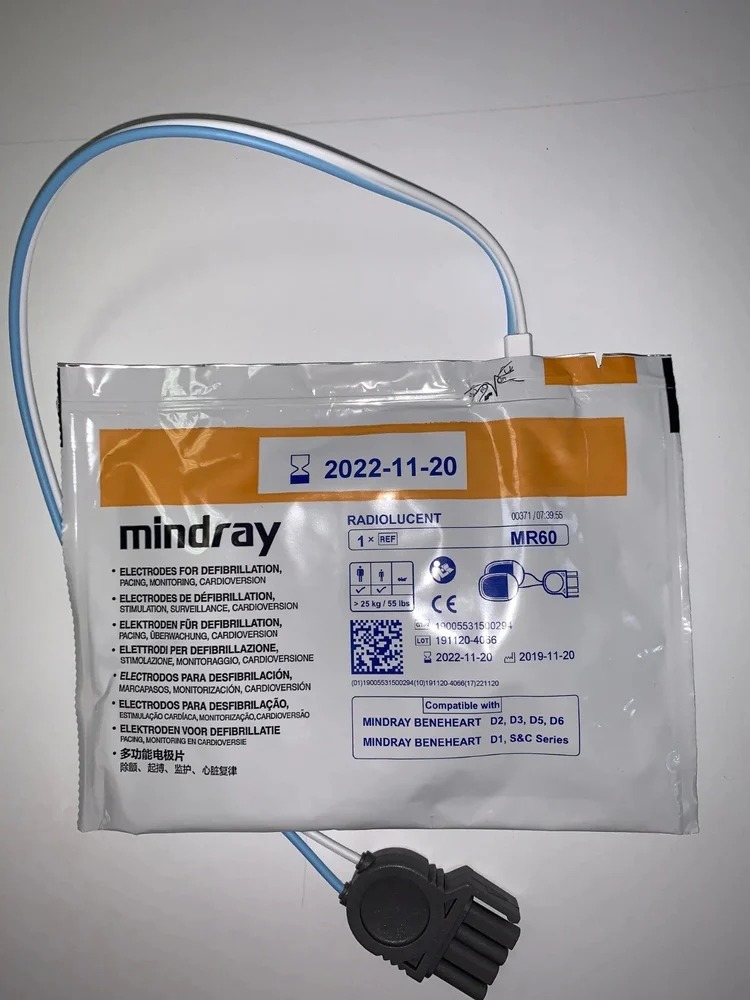
Mindray Disposable AED Defibrillator Electrode Pads ADULT CHILD MINDRAY DEFIBRILLATION ELECTRODES
Price 9500.0 INR / Piece
Minimum Order Quantity : 1 Piece
Disposable : Yes
Use Type : Single Use
Equipment Type : Other
Sterilized : No

 Send Inquiry
Our Products
- Laparoscopy Instruments
- Surgical Diathermy Solution
- OT Solution
- Arthroscopy Solution
- ENT Solution
- Dermatology Solution
- General Surgery Equipment
- Gastroenterology Solution
- ICU Equipment
- Urology Instruments
- Neuro Instruments
- Ultrasound Machine
- Video Laryngoscope
- Surgical Instruments
- Gel Positioners
- Contec Pulse Oximeter
- Gynecology Instruments
- Anesthesiologists Equipment
- Neurology Solution
- Cardiology Equipment

No:20, 3rd Street, Chokanathan Nagar,Chennai - 600095, Tamil Nadu, India

Mr Shajan
(Director)
Mobile :08071780826
 Send Inquiry
 Send SMS
Developed and Managed by Infocom Network Private Limited.
